
Requirements for Physical Damage Coverage Under Commercial Property Insurance
Your business is your dream in action, and commercial property insurance is the safety net that keeps that dream alive when life throws curveballs at your company’s physical assets—like buildings, equipment, furniture, fixtures, and inventory. Think of it as your business’s bodyguard against fire, theft, and those nasty surprises Mother Nature likes to dish out. When disaster strikes, direct damage coverage steps up to help cover the costs to repair or replace what’s been damaged. Understanding exactly what you need for this coverage to kick in? That’s what smart business owners do to make sure their property insurance actually works when they need it most.
We’re going to walk you through the five must-have requirements for physical damage coverage under your commercial property insurance policy. Whether you’re running a small shop or managing a growing company, this protection is what keeps your business standing strong when covered claims come knocking. We’ll also show you how these pieces fit together like a puzzle to shield your business assets and get your company back on its feet after unexpected hits.
1. Physical Damage: The Core of Coverage
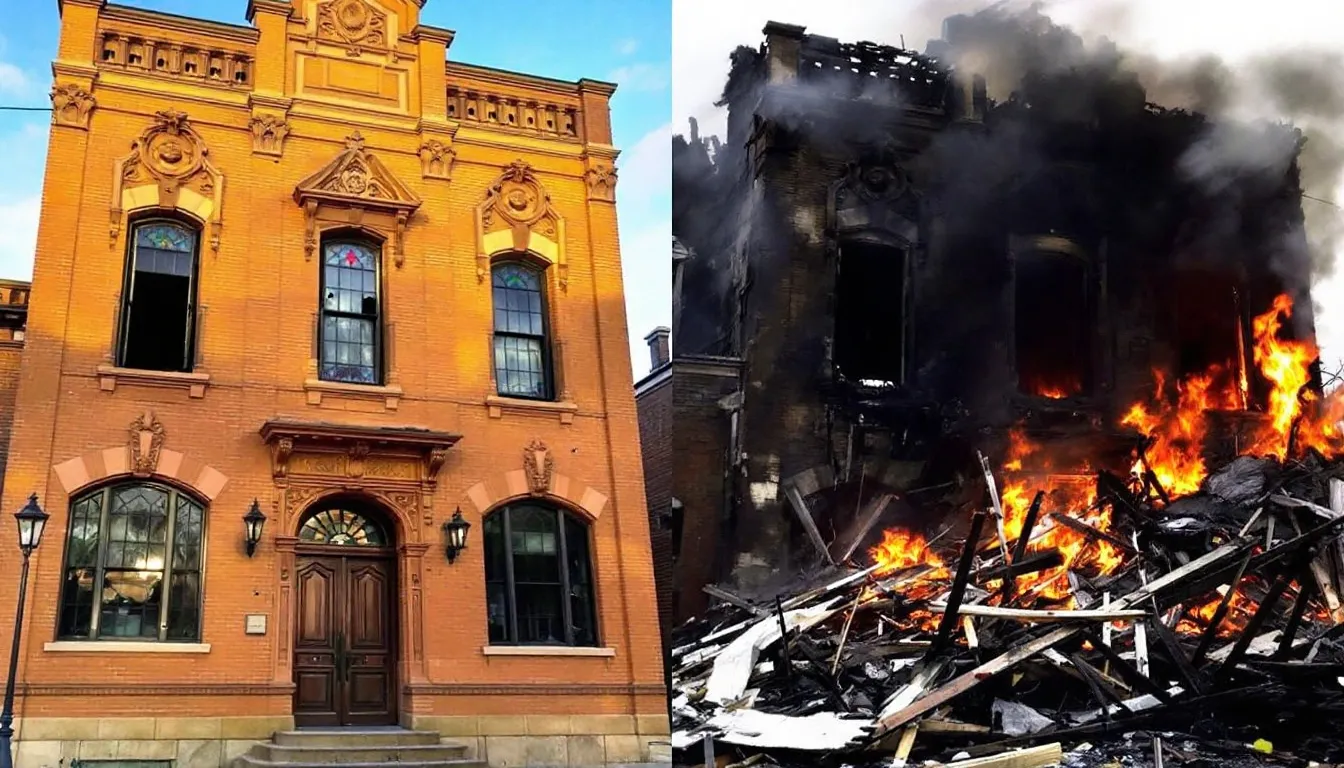
When you’re protecting your business property, you’ll encounter two main types of losses that can hit your bottom line—and understanding the difference will help you navigate your coverage with confidence. Direct losses are the ones that physically damage your commercial building or what’s inside it, basically changing your property in ways that hurt how it works or make it completely unusable (think about a fire tearing through your manufacturing plant’s walls and floors, destroying your production equipment and materials you’ve got stored there).
On the flip side, indirect losses are the financial hits that come as a result of that physical damage to your commercial property (like the business income you’ll lose and those extra operating costs you’ll face because of that same fire at your manufacturing plant). Here’s what you need to know: direct damage coverage is designed specifically to protect you from those direct losses we just talked about.
2. Loss to Covered Property: What’s Got Your Back?
Direct damage coverage only jumps into action for losses hitting covered property as spelled out in your commercial property insurance policy. Your commercial property policy lays out exactly what’s considered covered, including buildings, business personal property, and personal property of others:
-
Buildings—This includes commercial buildings, structures and completed property additions. It may also include certain indoor and outdoor fixtures, permanently installed machinery and equipment, and some types of personal property that are utilized to service or maintain commercial buildings or their surrounding premises (e.g., fire extinguishing tools, large appliances, floor coverings, outdoor furniture and lawn mowers).
-
Business personal property—This refers to business-related contents located within commercial buildings or their surrounding premises. Examples of business personal property include inventory, furniture, movable machinery and equipment, and office supplies.
-
The personal property of others—This includes property owned by another person or organization that’s currently in the care, custody or control of a policyholder. Sublimits are often attached to the personal property of others, therefore restricting overall coverage capabilities for such property.
Knowing exactly what your policy’s got covered helps you figure out if your commercial property insurance is doing its job and keeps surprises at bay when you’re filing a claim. When you need to repair or replace property after a loss, your commercial property policy decides whether the insurer pays replacement cost or actual cash value—and that’s huge for understanding how your assets get valued and replaced.
3. Loss at a Covered Location: Where Your Coverage Shows Up
Beyond just protecting your covered property, you need losses that happen right at your covered locations—or close by, typically within 100 to 1,000 feet of your premises—for them to find shelter under your direct damage coverage. Your covered locations are outlined in the detailed schedules listed on the declarations page of your commercial property policy. The premises outlined there must match your actual covered locations as closely as possible to keep your policy standing strong.
You may also find limited coverage available when losses occur to your covered property while it’s in transit or temporarily located at newly acquired sites that you haven’t yet scheduled. But here’s the key: those losses still need to occur within your commercial property policy’s defined territory to qualify for direct damage coverage. In most cases, that territory includes the United States, its territories and possessions, Puerto Rico, and Canada.
4. Loss From a Covered Cause: Understanding What’s Protected
Commercial property insurance policies protect against losses caused by specific events known as covered causes or perils. Policies come in two main types:
-
Named Perils: Only losses from causes that are explicitly listed are covered.
-
All Risks (Open Perils): All causes are covered except those specifically excluded.
Common causes include fire, smoke, explosions, windstorms, hail, lightning, vehicle collisions, vandalism, and certain types of water damage, such as pipe bursts.
Excluded causes often include nuclear hazards, war, governmental actions, utility interruptions, mechanical breakdowns, and employee dishonesty.
While commercial property insurance isn’t always required by Missouri law, certain leases or contracts in Missouri might require you to have coverage for specific perils. It’s smart to review your Missouri lease or agreement to determine if you’re responsible for ensuring the correct perils are covered under your policy. Understanding which perils your policy covers helps you size up the risks you might face and whether you need additional coverage.
5. Loss Within the Policy Period: Timing’s Everything
The timing of a loss is another key piece of the puzzle. Direct damage must occur within your policy period, typically a one-year term starting from the policy’s effective date, as shown on your declarations page.
Losses outside this period don’t qualify for coverage, so timely reporting and understanding your policy’s duration are essential to ensure your claim is processed correctly. Timely reporting is also crucial to guarantee the insurer will pay for covered losses that happen within your policy period.
Valuing Business Property for Insurance
Figuring out the right value for your business property is a critical step in locking down effective insurance coverage. The amount of coverage you need—and what your commercial property insurance costs—depends on how your property gets valued. There are several factors and methods to think about:
-
Actual Cash Value (ACV): This method calculates a property’s value by subtracting depreciation from its replacement cost. It shows what your property’s worth at the time of loss, considering its age and condition.
-
Replacement Cost: This approach covers the cost to replace or repair your property with new items of a similar kind and quality, without taking off anything for depreciation. It often means higher coverage limits and premiums, but gives you more comprehensive protection.
To figure out the best coverage for your business, consider the type of property you own, where it’s located, and the potential risks you’re facing. Working with an experienced agency like McGrath can make this process a whole lot simpler.
Filing a Commercial Property Insurance Claim
When disaster hits, knowing how to file a commercial property insurance claim can make all the difference in how quickly your business bounces back. Start by reviewing your property insurance policy to understand your coverage and any specific requirements for filing a claim. Gather solid documentation of the damage—photos, videos, and detailed inventories of lost or damaged property.
You’ll want to notify your insurance company as soon as possible and provide all the necessary information to back up your claim. Working closely with your insurance agent or broker can help make sure your claim gets filed correctly and that you get compensation for your covered loss. Keeping a record of your claim’s history can also be helpful for future reference and might impact your insurance costs.
Commercial Property and Risk Management
Commercial property insurance is a vital piece of any business’s risk management strategy, but it’s only one part of the whole picture. To truly protect your business from unexpected curveballs, it’s essential to take proactive steps to minimize the risk of property damage and loss. This can include installing a security system, maintaining fire alarms and sprinkler systems, and doing regular risk assessments to spot and address potential hazards.
By combining strong property insurance coverage with innovative risk management practices, businesses can minimize their loss exposure and ensure they’re prepared for whatever challenges come their way. Taking these steps not only helps protect your property and assets but can also lead to lower insurance premiums and a safer environment for your employees and customers.
Investing in both insurance and risk management is the most effective way to safeguard your business and ensure its long-term success.
Conclusion: Protecting Your Business Assets with Confidence
Direct damage coverage under commercial property insurance is like the foundation of business insurance—it’s designed to protect your company’s physical assets from the financial hit of property damage due to unexpected events. By knowing the five essential requirements—direct physical damage, property, location, cause, and policy period—you can better navigate your insurance policy, reduce risk exposure, and lock down the right protection for your business.
When you’re thinking about commercial property insurance costs, keep in mind that factors like business type, location, and risk profile all influence pricing.
Contact us today (573-346-7224) for a personalized quote and expert advice on how to best protect your business assets. A positive customer experience is our priority, making it easy to manage, add, or share your commercial property insurance through your customer account.

